Guide: Vinyl Compound Explained
This guide explains how vinyl compounds work and how they influence a record's appearance.
By Julia Girdharry
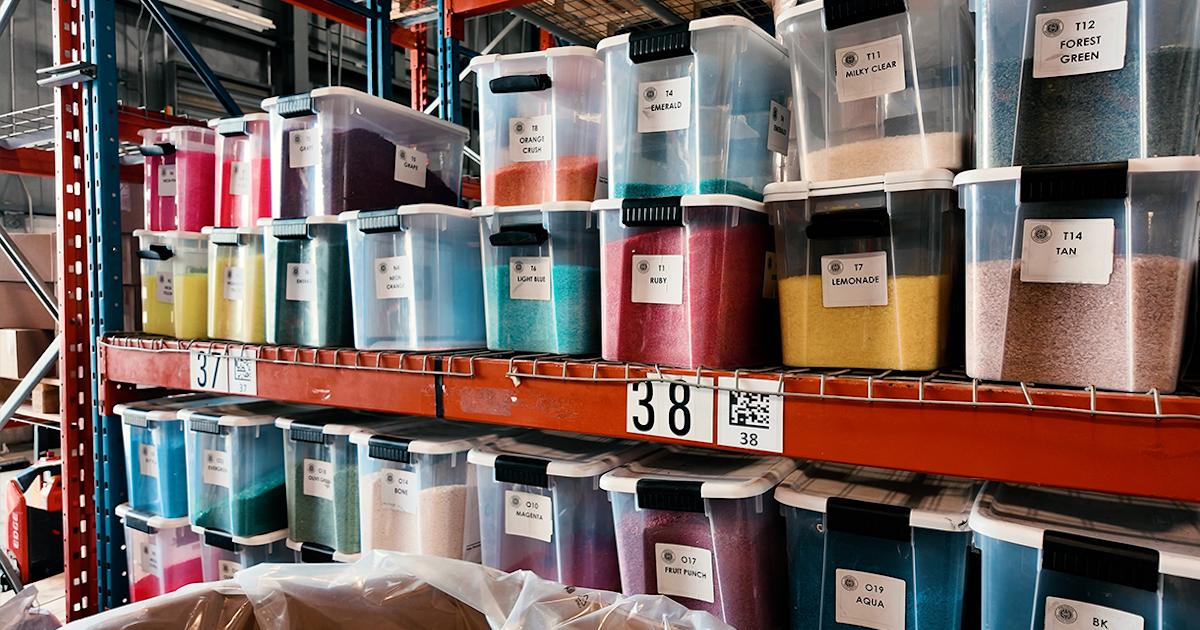
At Precision Record Pressing, we work with a wide range of colored vinyl compounds that enable complex color and effect applications.
Black vinyl records have always been the predominant color, but with modern pressing capabilities, there are far more options available. At PRP we have hundreds of colors and effects available to both independent and major artists and labels, all thanks to one key ingredient: vinyl compound.
What Is Vinyl Compound?
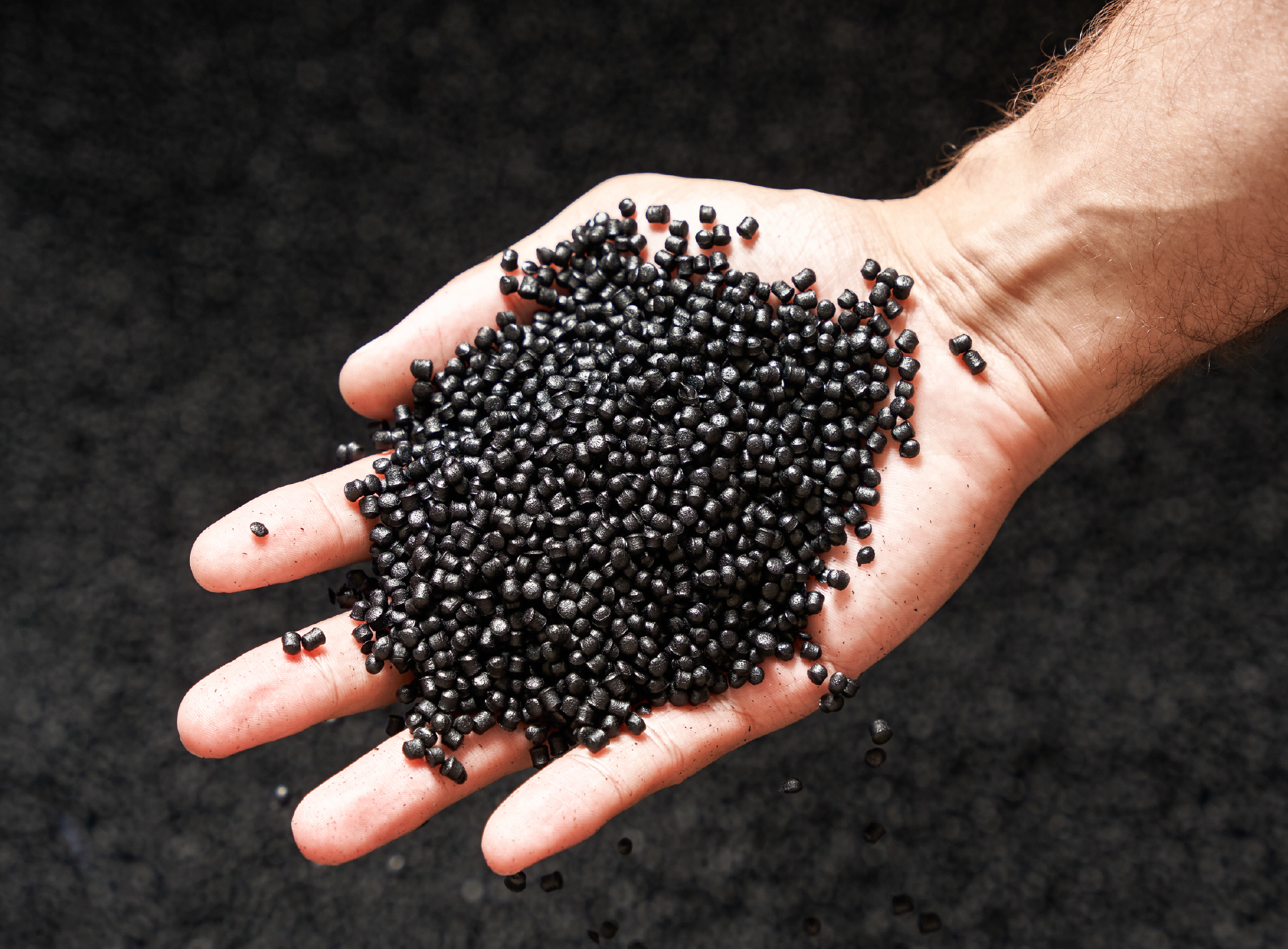
Today, records are made from pellets containing polyvinyl chloride (PVC), rather than wax or shellac. With modern playback technology and the renewed demand for physical media, PVC has become the industry standard for record manufacturing because it balances flexibility during pressing with long-term durability.
Why Is PVC Ideal For Vinyl Pressing?
Heated PVC softens, allowing the stamper's details, such as grooves and decorative etchings, to imprint evenly. It cools quickly and becomes rigid and durable. These physical properties are essential for maintaining consistent, high-volume production.
Raw PVC pellets are naturally colorless and translucent, providing a blank slate for color and effect innovation. When treated with pigments and additives, raw PVC pellets can produce compounds with varying densities, opacities, hues, and material behaviors. Each of these characteristics influences how a vinyl record looks when pressed.
Reducing Vinyl Waste
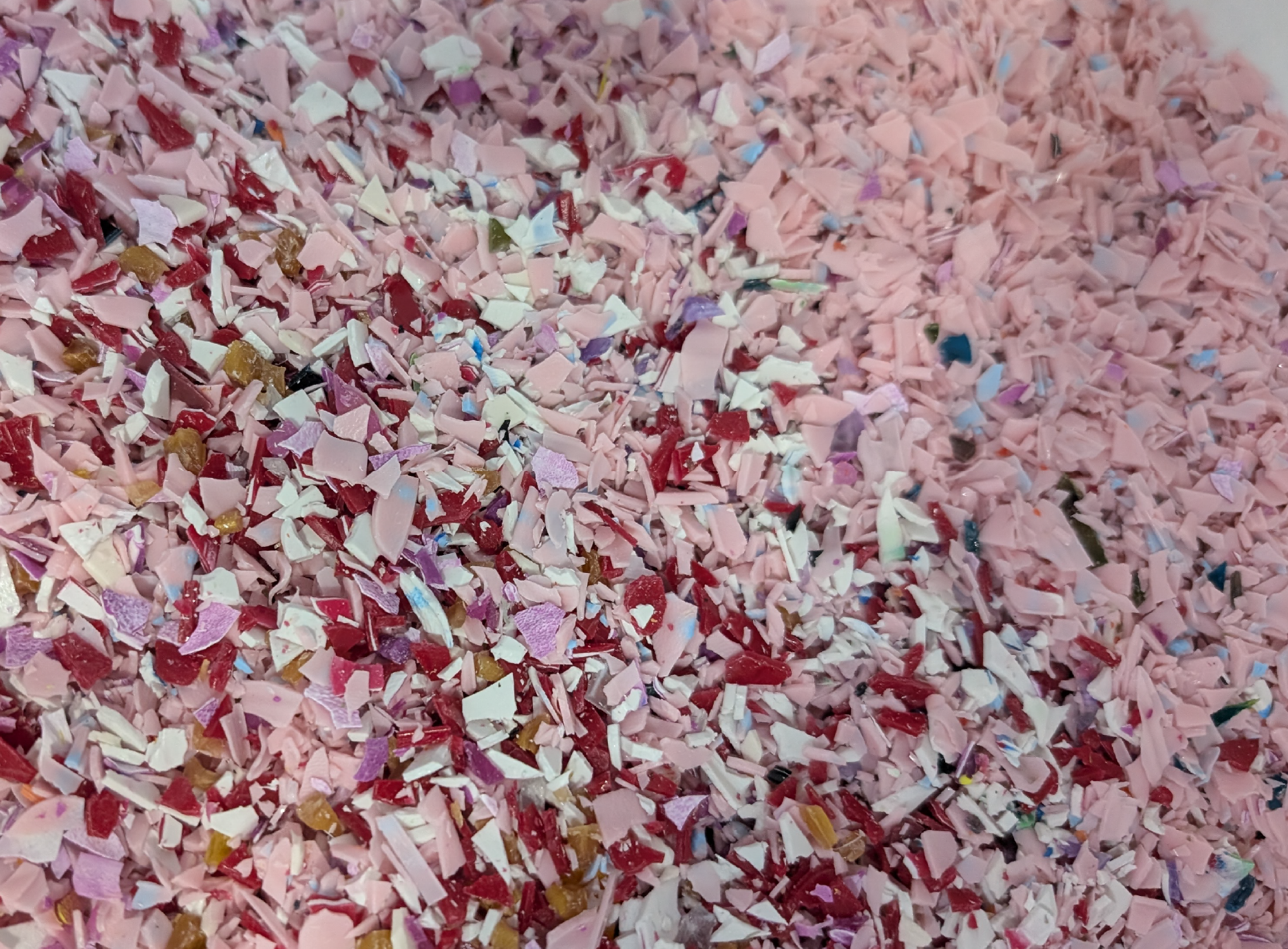
At PRP, measures are built into our workflows to divert trimming waste (also known as flash) and rejected records back into production, creating a more closed-loop approach to waste reduction. Each automatic press has built-in grinders that collect ‘flash’ and reuse it during the same press run.
PRP also offers Eco Mix vinyl, which takes this process a step further by incorporating all waste from the pressing process. Eco Mix uses rejected records from both manual and automatic presses, along with other PVC waste, to create a recycled compound for producing new records.
Related Article: Guide: Multi-Color Vinyl Effects Explained

Types of Compounds:
Opaque Compound
Opaque compounds produce solid-color records that do not allow light to pass through the vinyl. They can be pressed as a single colour or combined with other compounds to create multicolor effects.
Their solid appearance makes Opaque compounds especially useful for effects that require strong color contrast, such as the centre of Color In Color with a translucent base. They are also commonly used for records with decorative etching.
PRP offers 24 Opaque colour options, each identified by an (O) code, such as White (O2), Silver (O11), and Evergreen (O23).
Translucent Compound
Translucent compounds produce records that allow light to pass through the vinyl, a natural characteristic of untreated PVC pellets. They can be pressed as a single color or combined with other compounds to create multicolored effects.
Their transparency makes Translucent compounds especially useful as the base of effects, including Color In Color with an opaque centre, Glitter records, and Double Double Blends.
PRP offers 15 Translucent color options, each identified by a (T) code, such as Clear (T2), Lemonade (T7), and Black Ice (T15).
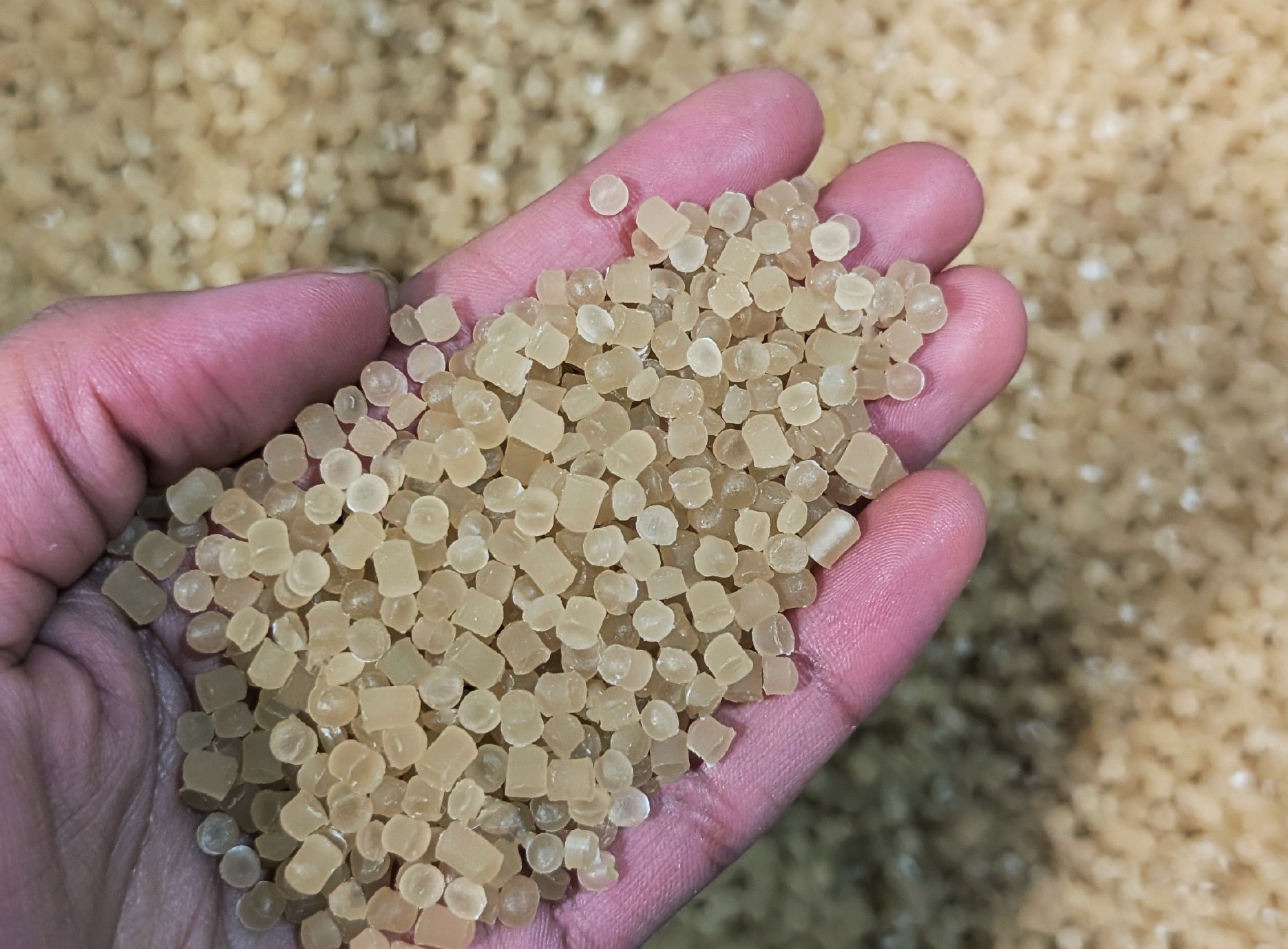

Neon Compound
Neon compounds produce vibrant, semi-transparent records, allowing some light to pass through the vinyl. They can be pressed as a single colour or combined with other compounds to create multicolored effects.
Their semi-translucent properties make Neon compounds especially well-suited for effects that interact with light, such as Glitter and Ghostly records.
There are 6 Neon colour options, each identified by an (N) code, such as Neon Violet (N1), Neon Green (N2), and Neon Yellow (N3).
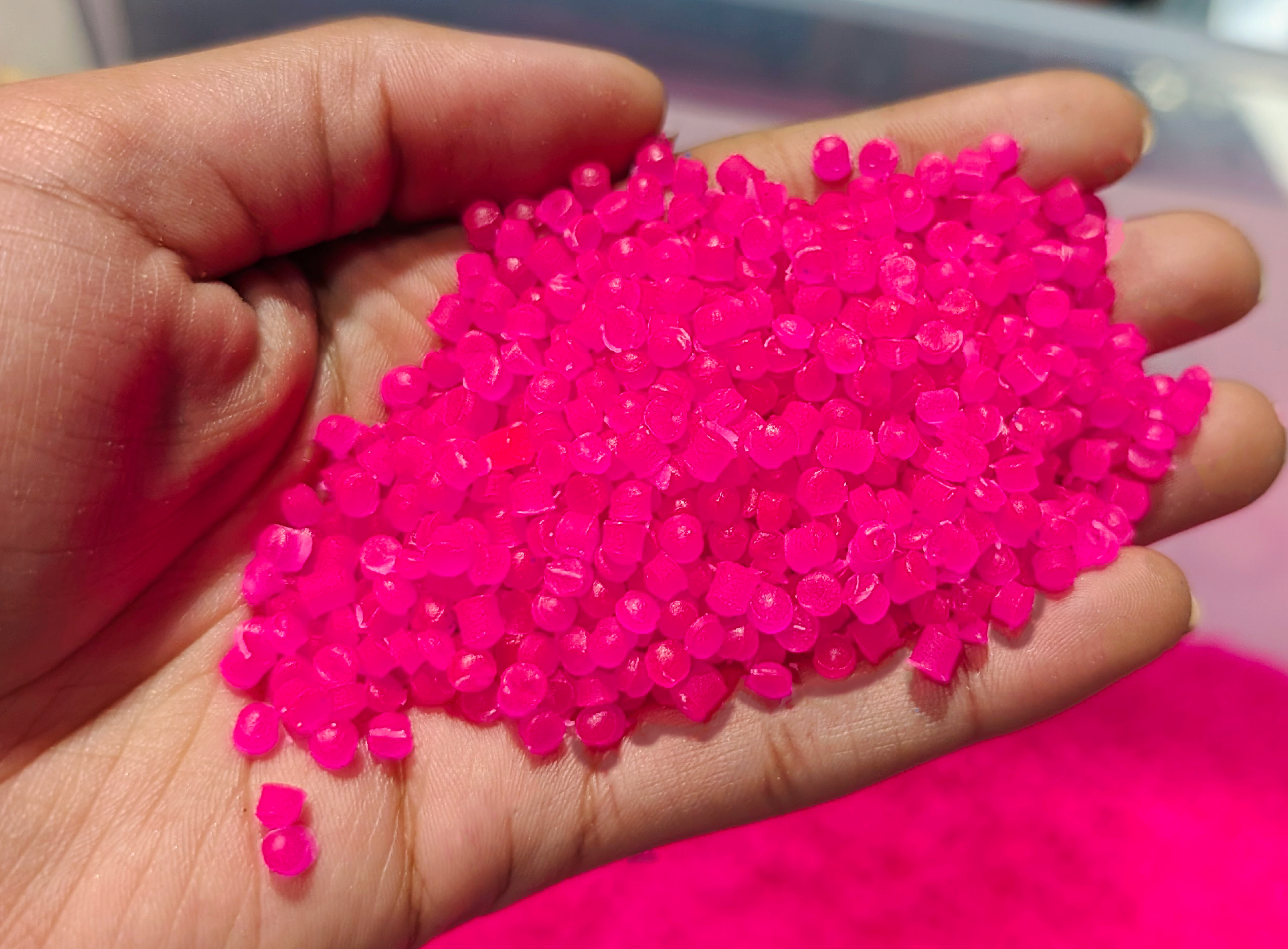

Glow in the Dark Compound
Glow in the Dark compound contains phosphorescent materials that absorb light and glow in low-light conditions. They are not known for maintaining hue intensity in layered manual effects or Blends. This compound is mainly used for single color records or as splatter.
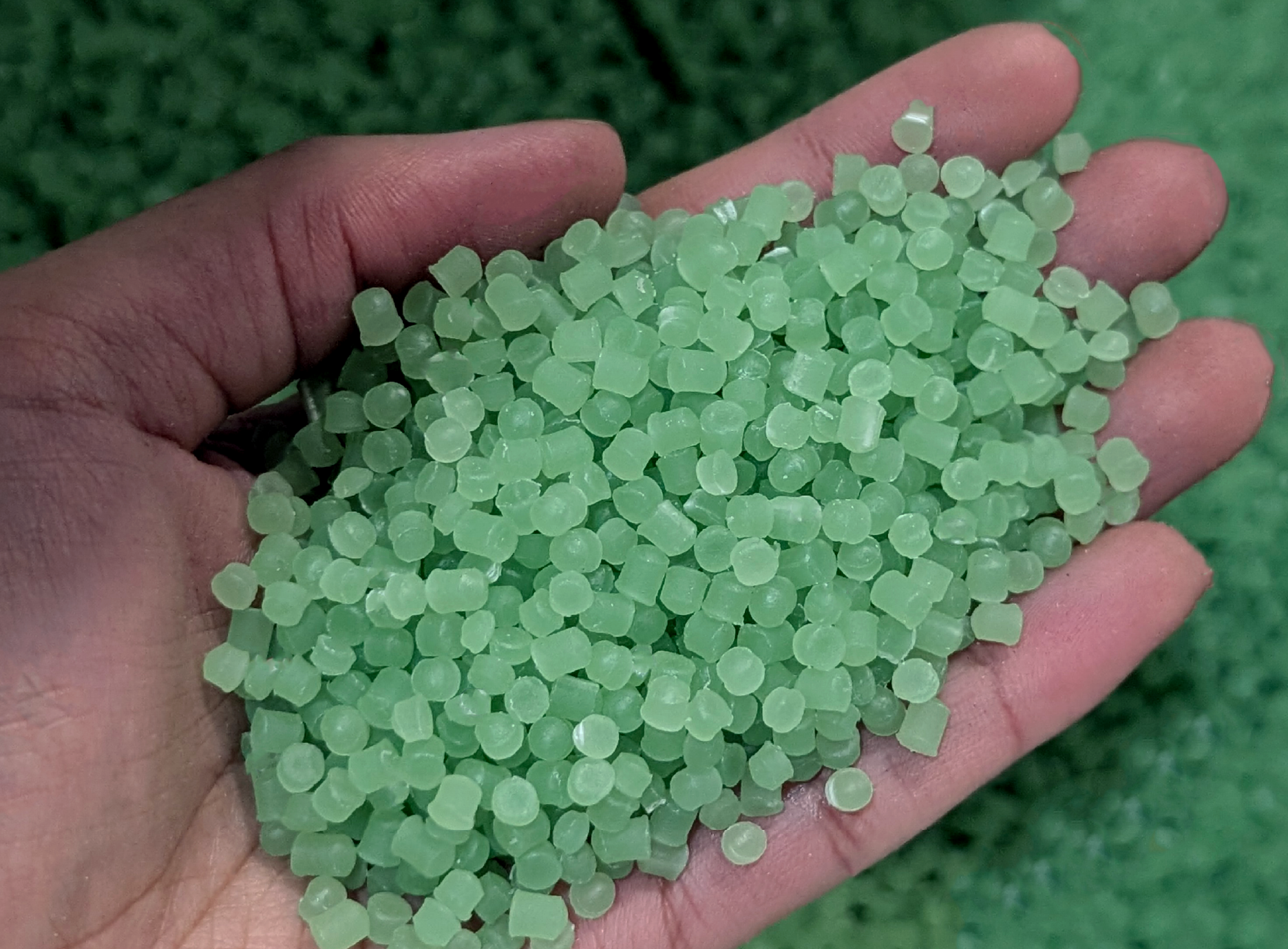
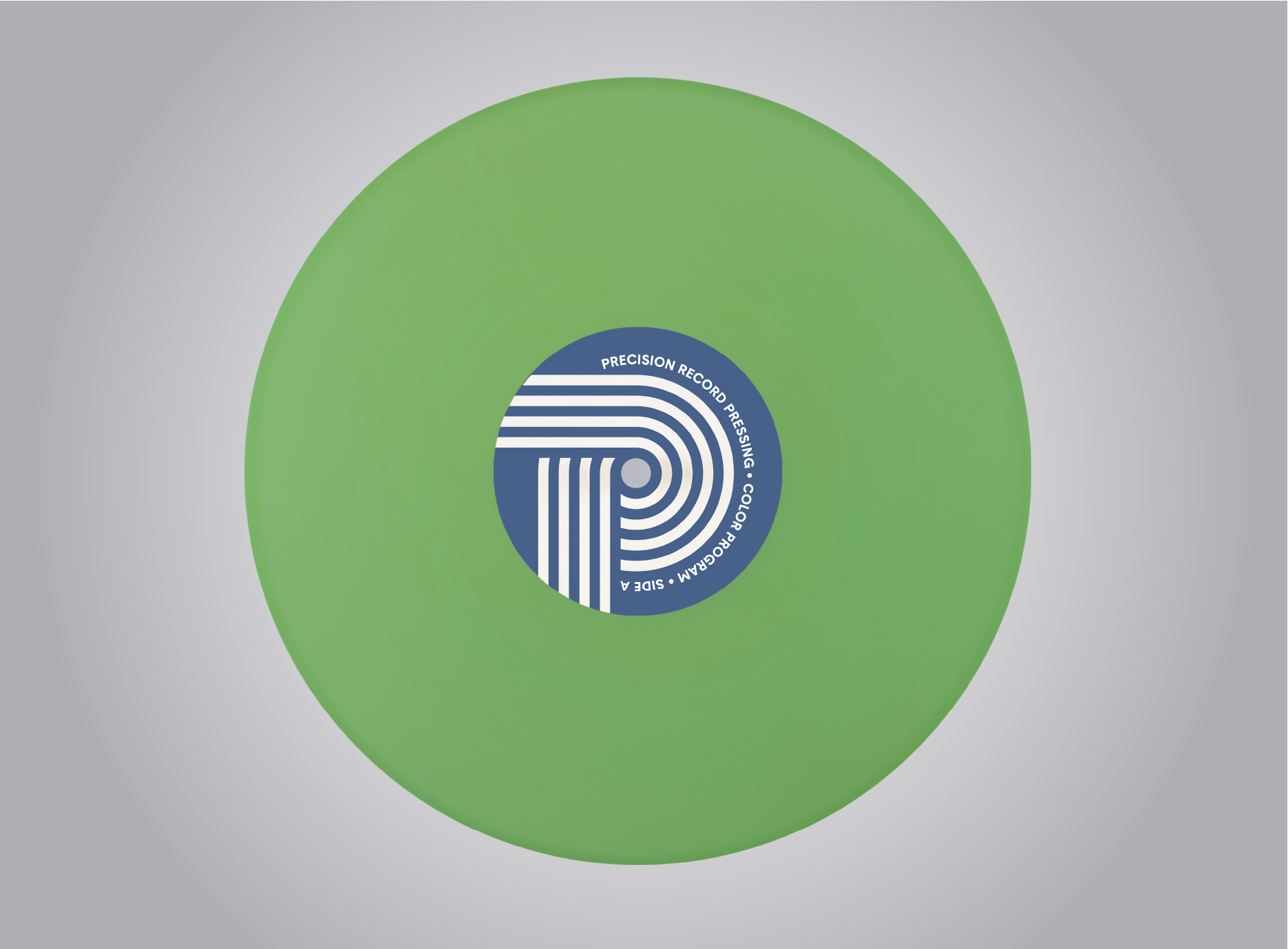
High Melt
High Melt compound is used to create the pronounced swirling and rippling patterns found in Blends. It is designed to be mixed with Translucent, Opaque, and Neon compounds rather than pressed as a single color record.
Its higher melting point and denser structure allow the compound to hold its shape longer during pressing, creating the distinctive patterns seen in the finished vinyl.
There are 23 High Melt colours, identified by (M) or (P) codes. (M) indicates an opaque High Melt colour, such as High Melt Black (M2), while (P) indicates an opaque High Melt colour with a pearlescent finish, such as Pearl Orange (P6).

High Dispersion Compound
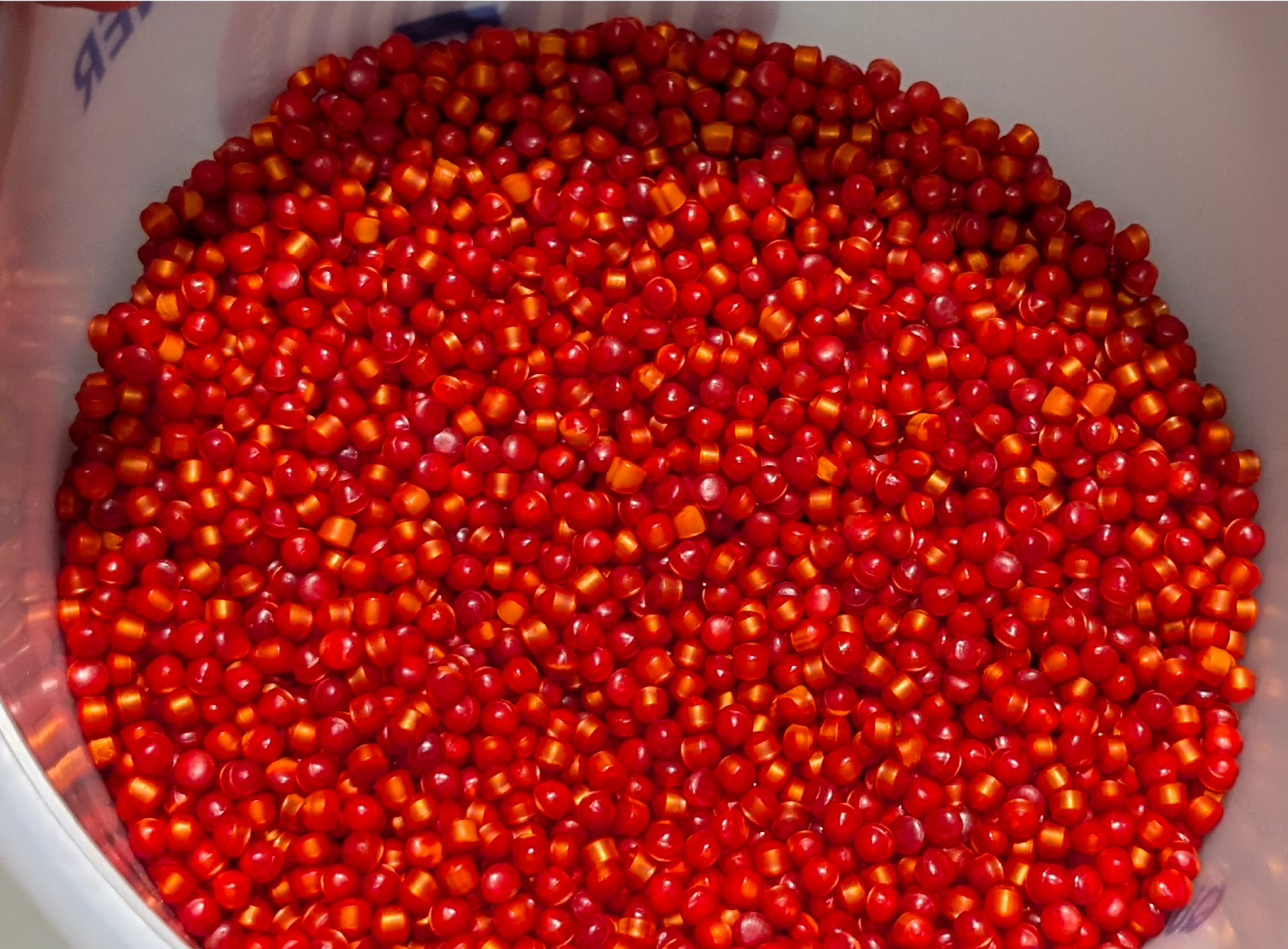
We have 22 High Dispersion compounds have a higher color or additive concentration and a lower melting point, allowing them to disperse color across a record more dramatically than Marble compounds.
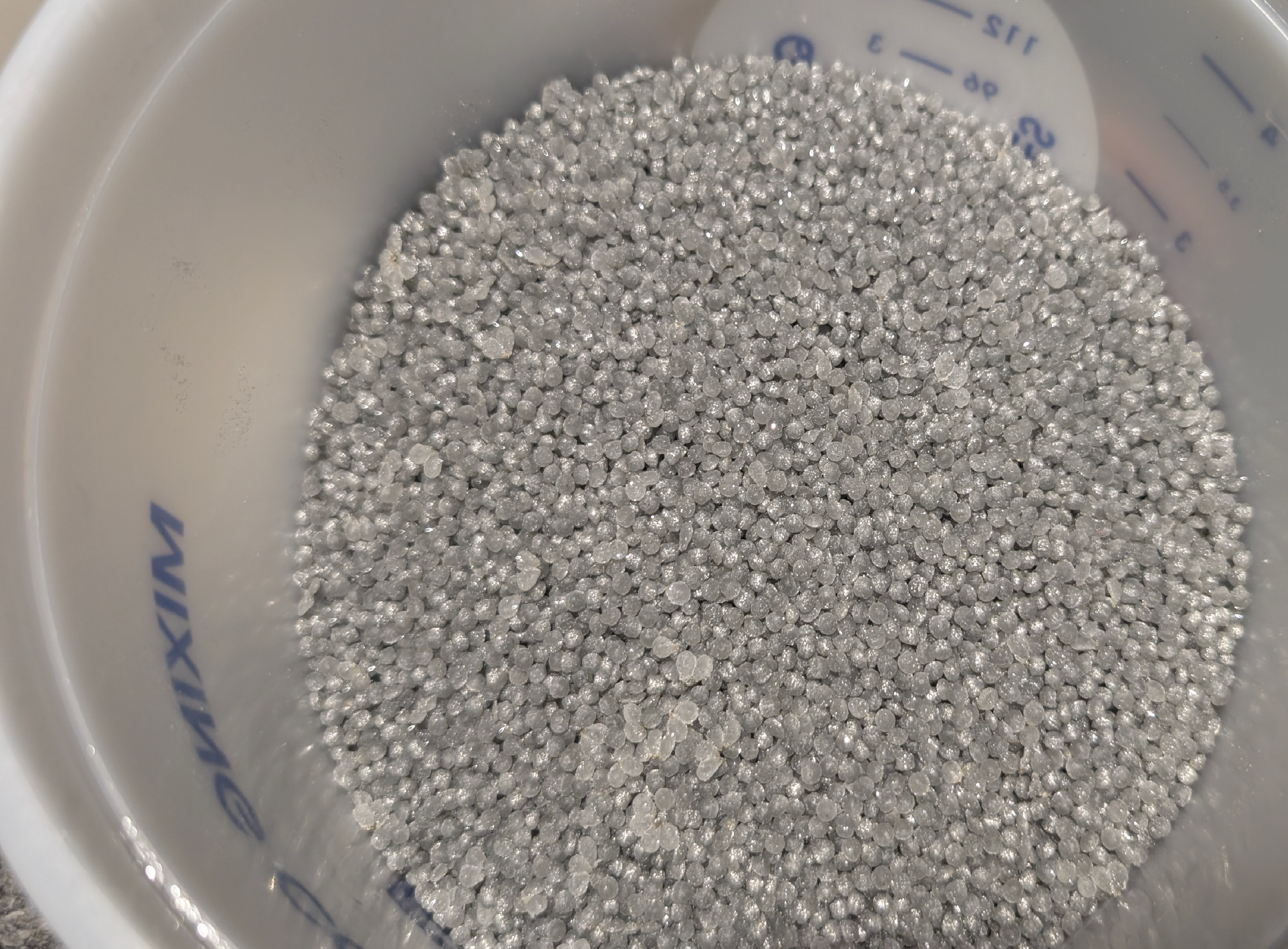
High Dispersion compounds appear as solid colors or contain glitter particles that create metallic or shimmering effects. The mixing ratio with a standard compound influences how the material disperses, either evenly across the record or in more concentrated, sporadic patterns. These compounds are mixed with other standard compounds and used exclusively in Blends. High Dispersion compounds cannot produce single color records and can only be incorporated into Blends.
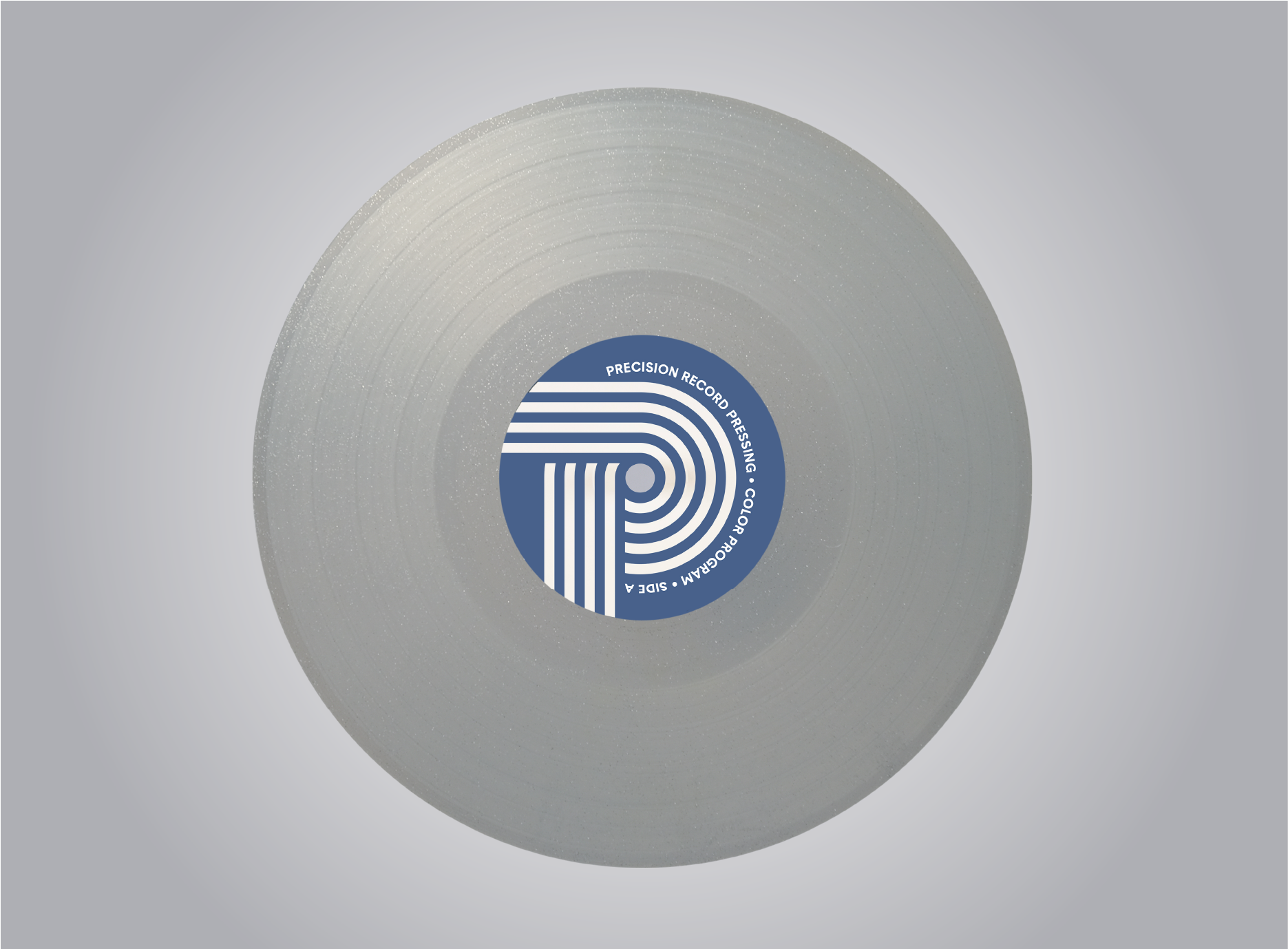
PRP has carefully developed Blends and effects using compound combinations that work well together. Because compounds behave differently during pressing, not every combination will produce the same results.
Explore real pressed samples in the Vinyl Visualizer, or work with your account manager or Color Specialist to find the best option for your project.