Label Feature #22: Inner Ocean Records
Cory Giordano, founder of Inner Ocean Records, chats with PRP about creating impactful vinyl releases.
By Julia Girdharry

Cory Giordano's (AKA Charlie Dreaming) one-of-a-kind label, Inner Ocean Records, has been dominating the Ambient genre right from Calgary, Alberta.
At the core of the label is a love of collecting physical media and curating taste, without needing analytics or numbers to inform it. Inner Ocean Records is known for its instrumental, thematic releases featuring global contributors and for its work with charity organizations to give back and create a deeper impact.
Read our Q&A below for more about Cory and Inner Ocean Records.
How did your early music influences shape your eventual connection to Ambient music?
I grew up on Rock, Punk, and Metal. In pre-internet music, the only music you could hear was either on the radio, the CDs that you bought at the store, or the bands that you could see shows in your town. Calgary had a big Punk, Metal, Emo, and Hardcore scene to be part of. I was a DJ playing 80s Funk and Boogie records. I was also playing a lot of Hip-Hop and instrumental Hip-Hop. That was the intro that led me to run a mostly instrumental record label.
I stumbled upon Ambient music at a festival in 2004, and I had never heard anything like it. That’s when the world changed. Now, I've been a participant in Ambient music for a long time.
What inspired you to start Inner Ocean Records?
I launched Inner Ocean Records in 2012. At the time, I was making music and releasing it on indie labels, and my friends were doing the same. I started the label so I could own a platform for my friends and me to release music. Before, I was working as a coffee roaster for a company in town. At the same time, I would work on the record label. I was doing it always on the side just for fun, and then it just worked. Fast forward to now, my 14th year of Inner Ocean Records, vinyl is more popular than ever, and streaming isn't that fun. Pressing and selling records is the most fun of all the things that I do.


When you started the label, was physical media always part of your release strategy?
Physical media has been a priority for the label since day one. We were doing CDs in the early days, and when the demand for them slowed, I quickly switched to cassettes. Cassettes were the most affordable option, allowing us to offer physical media to those who really wanted it.
Vinyl has always been a part of my life, and I like the idea that music has an archival quality. It’s like stamping its place in history, and you can’t do that with streaming. It solidifies its place in people's brains better than without a physical component. It comes down to building connections, telling stories with music, and the fans and everything. It's essential to have a physical component to tie all that together. It makes it an interactive experience.
I've been doing music long enough to see the rise and fall of platforms, and nothing in the digital realm is forever. Physical products let you be in control of your own destiny, rather than being at the whim of a streaming platform, where you don't have control over anything.
What influenced your decision to start producing colored vinyl releases?
For a long time, I only did black vinyl, partly because of the cost and partly because I personally like it. When I used to DJ with vinyl, black vinyl was nice because you could see the grooves easily. I grew up in a time when records were black, and that was what I was used to.
Over the last couple of years, I've realized listeners really want the fun colors, so we started pressing colored records. It makes it more fun as collectibles.
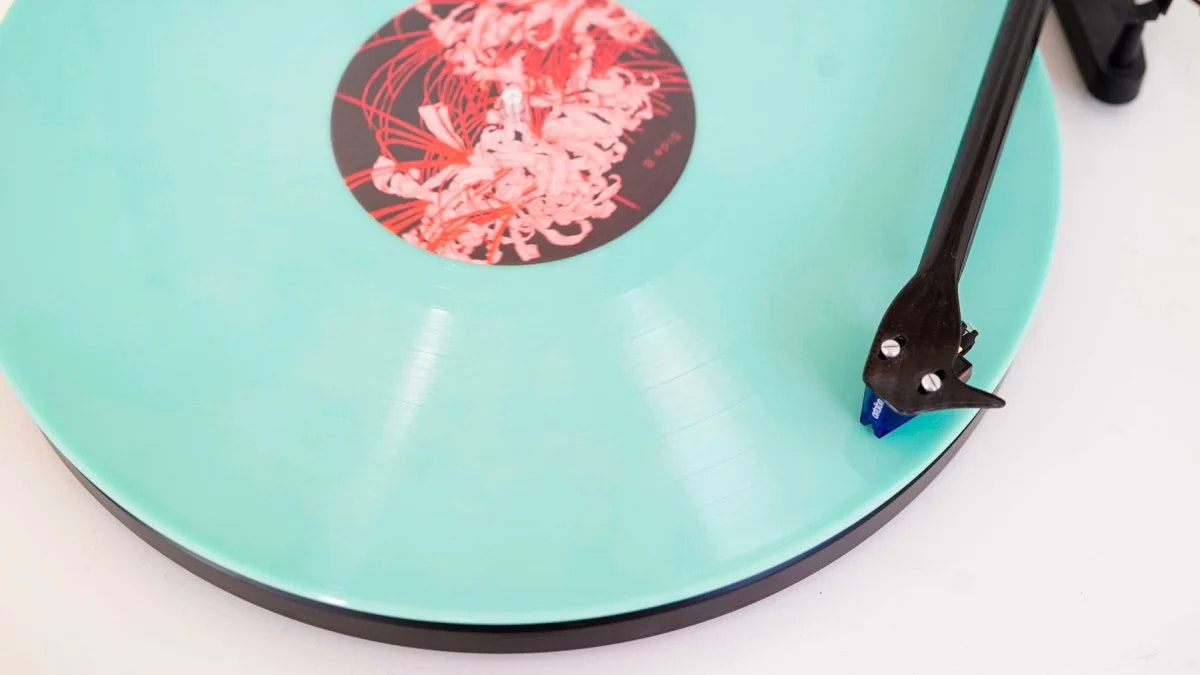
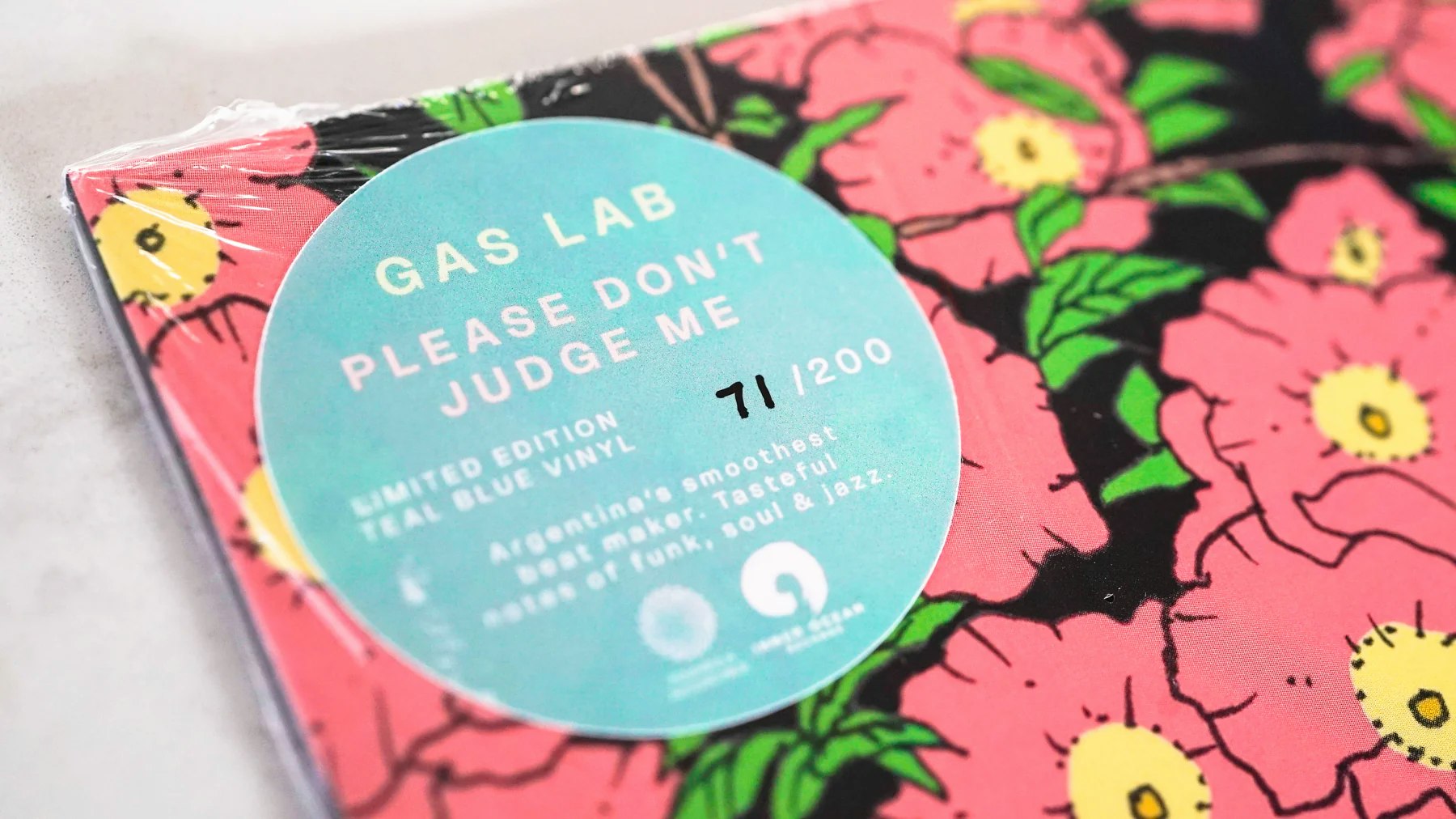
What goes into your decision-making when selecting vinyl colors for a release?
I always like to think about the record jacket in terms of "if I saw it in a record store, flipping through a bin, would it stand out to me?" I'm the type of person who will take a chance on a record if it looks really cool. If the jacket is amazing and the music is also super good, that's the winning combo. I've bought things based on the jacket and sometimes been pleasantly surprised that the record sounds exactly like it looks. I operate on the same idea, trying to make something that looks quite different visually.
When I'm pressing colored records, I try to choose something that complements or contrasts with the artwork to create an interesting visual. I'm getting more creative now that I'm pressing projects at Precision, given all the options that didn’t exist before for short-run projects.
When we re-release something, we get to do something different each time, so that every album reissue will be unique in color. It’s the same for reissued tape cassettes. We’ll use multiple colors of the same tape to make it a bit more fun.
Is that part of how you build out releases for the label?
It translates to some of the stuff that is released because the records have a similar look. On the label, I work with amazing artists who are mostly bedroom producers. They aren't touring artists, and they're one person making music in their home studio. They might use social media to cultivate an audience, but many are relatively unknown. To get people to listen to the music, I'm relying on the label and our history of releases that people have trusted. At the same time, the artwork has to look like it belongs to the label.
How did your signature illustrated artwork style become part of the label’s identity?
The illustration was an unintentional choice that became a recurring theme in some of the releases. The illustrations helped inform the style and culture of the Lo-fi scene. Artists just gravitated to the illustrations, and it became our look.
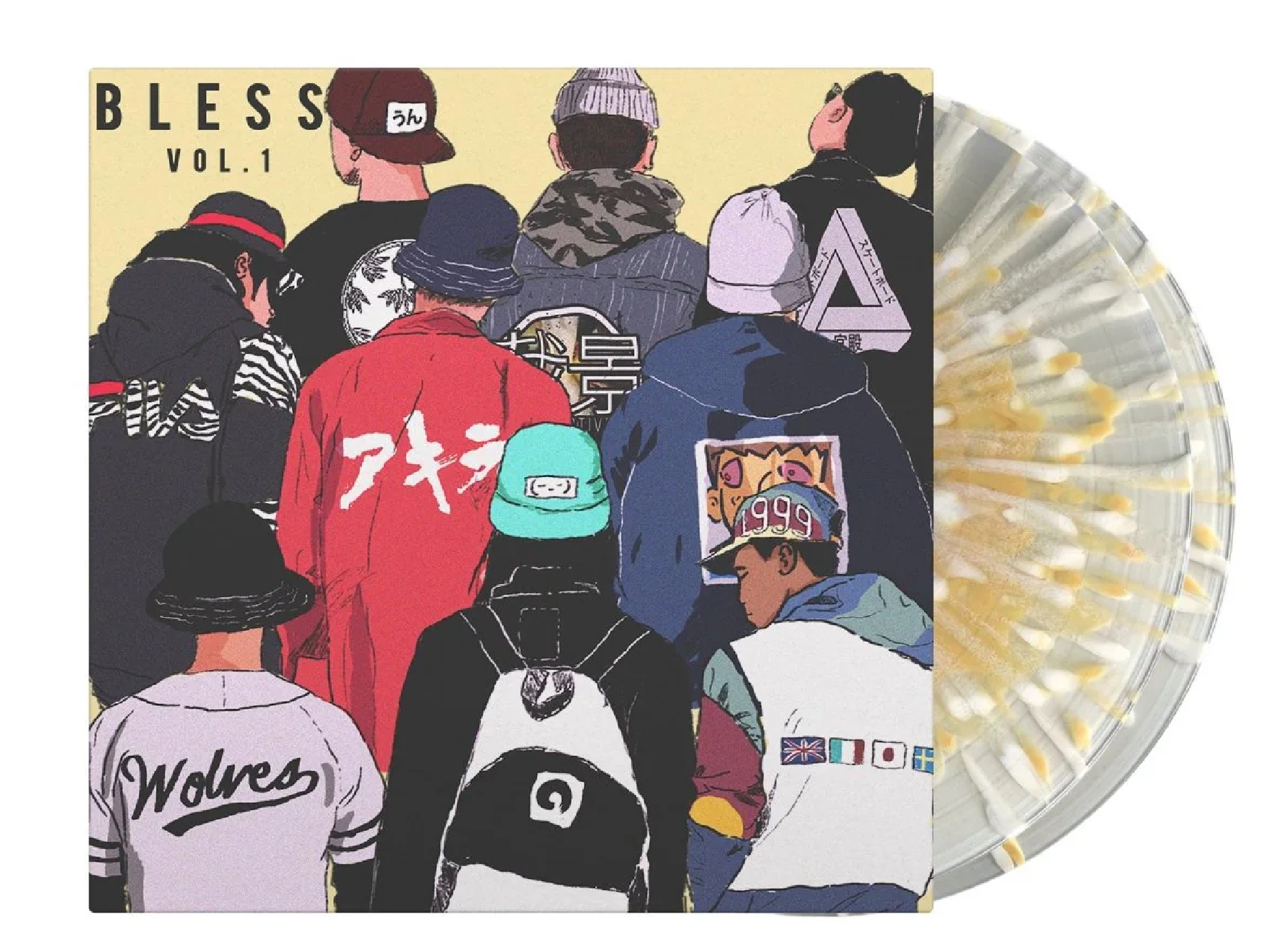
The first project I pressed at Precision was a compilation we called BLESS Volume One in 2017. The original album was a collaboration with a couple of other labels at the time. It had 110 songs on it, which is why it was released as a double cassette, because that's way too much music for a record.
Zom Kashwak, who was featured on the compilation, created the album artwork in his signature Japanese anime-inspired style. When the project was released, it went viral on YouTube, and the artwork played a major role in that momentum. It helped launch him as a visual artist, and we continued collaborating on future releases. That album artwork launched him as a visual artist, and we kept working with him for years on later releases because people loved the art and bought records and tapes for it.
What’s your approach to curating and sequencing compilation releases?
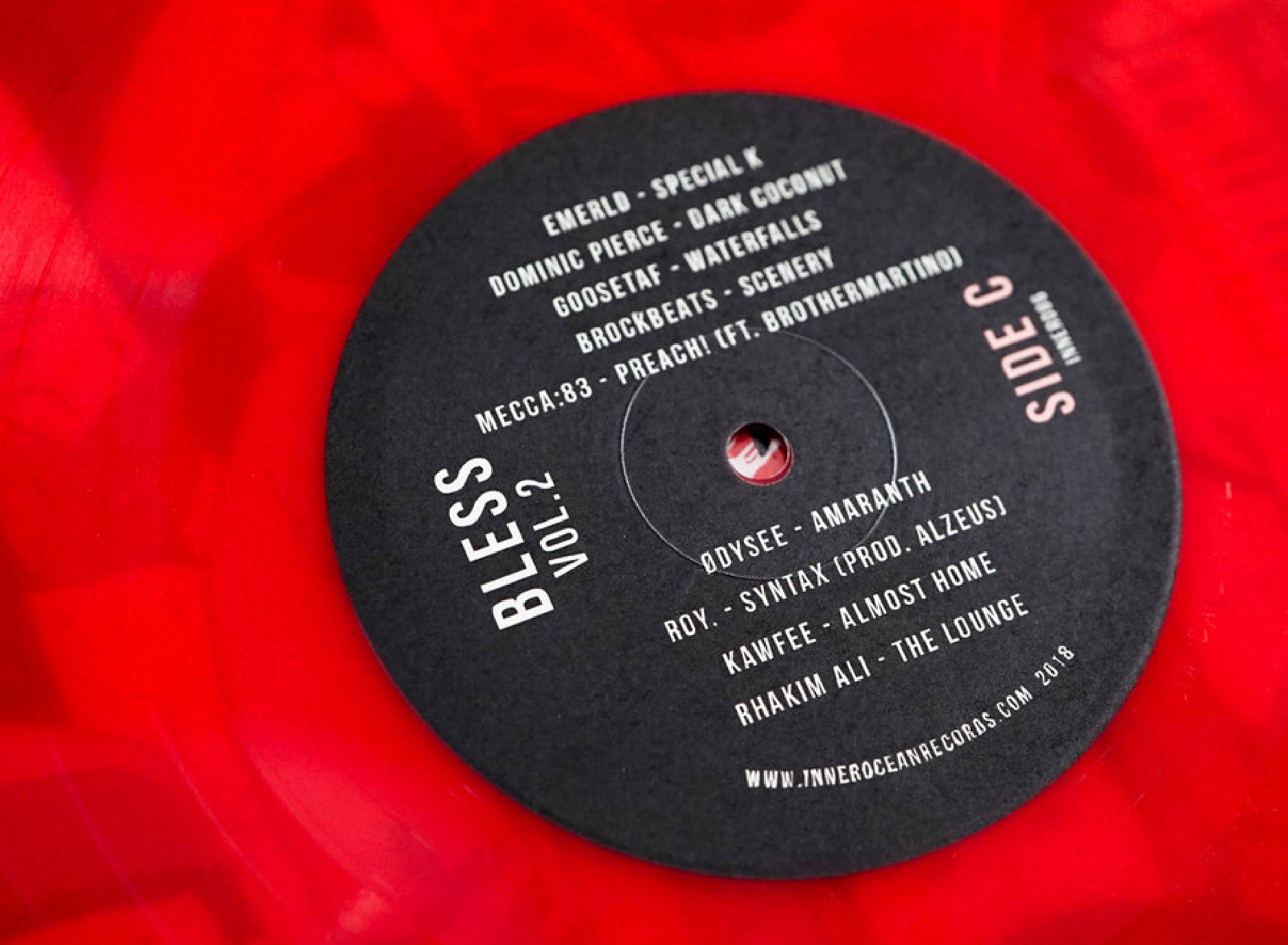
Compilations, for some reason, are so popular in the scene; people love them. It's part cross-promotional power and good curation. If you do a double LP's worth of music, you can fit about 30 to 40 tracks.
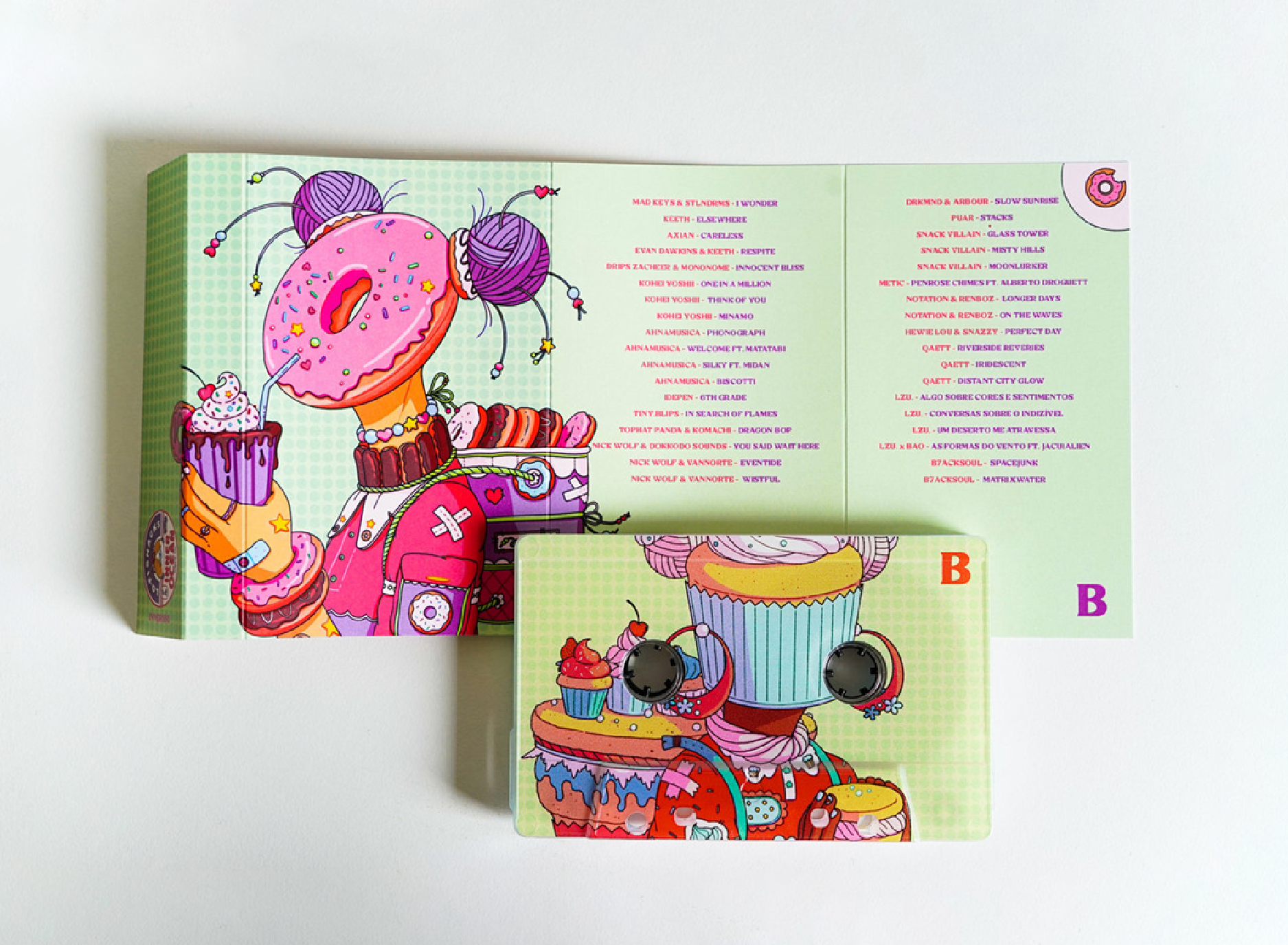
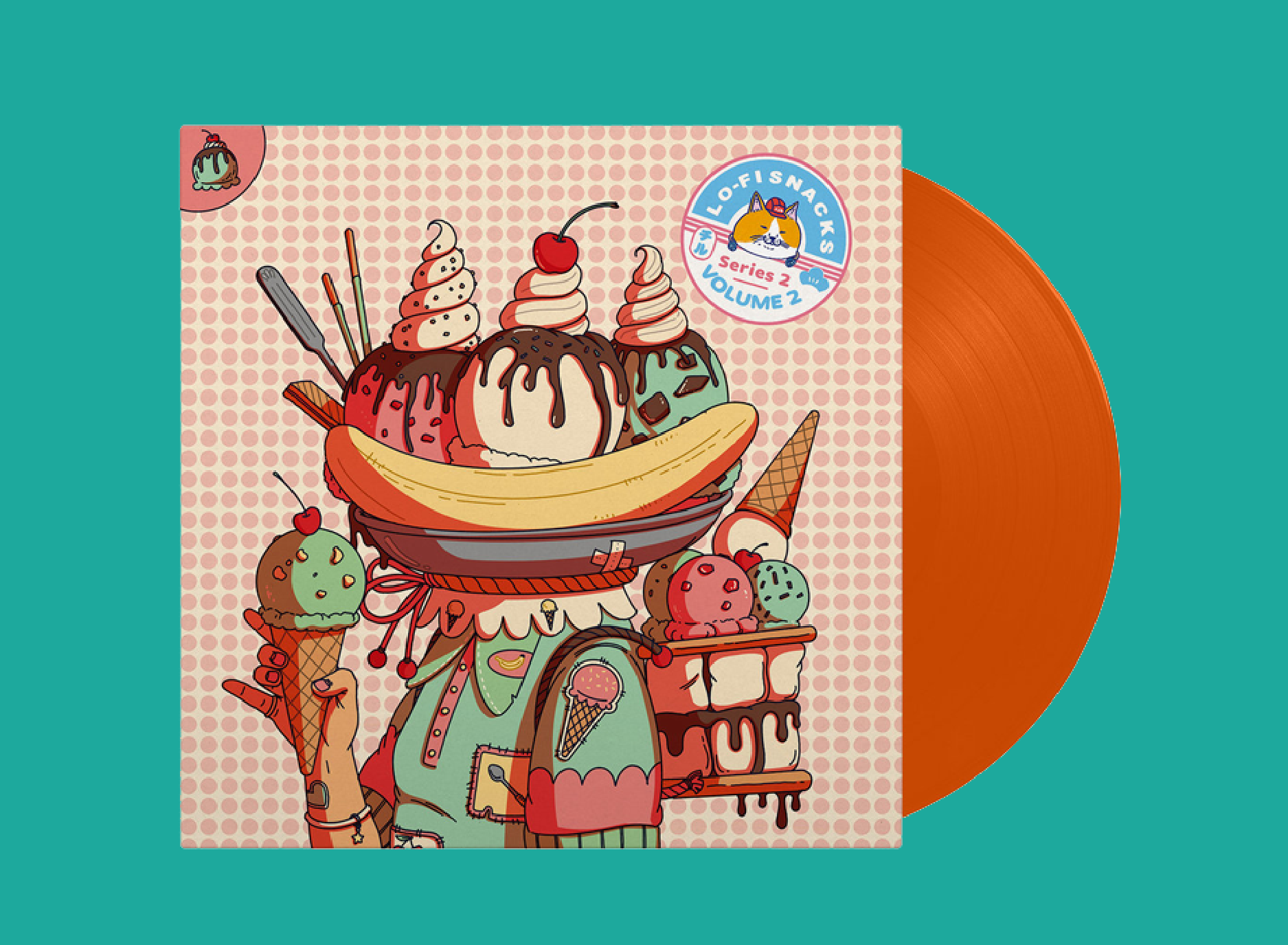
I trust my ears and collect tracks that I like. I sequence each side of the record to create a vibe and some flow. Our Lo-fi Snacks series is a good example of that. It has a theme, and the artwork fits into it. The idea is that the songs are like short little snacks, sequenced to create a dynamic listening experience. It's not just the same sound and the same energy the whole way through.
My favorite thing as a label owner is choosing what music comes out. I love nothing more than to add a curveball that still fits in some way as a surprise to listeners. It offers a challenge to listeners, and there's stuff to discover. You naturally get variety from all the different producers and artists; they all have their own sound. You can pull them together in an interesting, unique way.
Does the same method apply to working with streaming?
Streaming is all about analytics, and it's a whole different strategy. Optimizing for streaming is limiting because it requires you to serve people the same thing. You don't want people skipping your tracks because they came to you for one thing, only to get another. It works, but it's not the approach I take.
How do you define success for a release beyond streams and statistics?
I want to look back on it years later and be proud and happy of the things I put out. I want to hold them all, go through them, recall stories each release tells. That's more valuable than numbers.
At first, I said yes to everything because you're young and just starting. I went into it naively, knowing nothing. I've learned everything just by doing. Now, I've gotten good at saying no to things that don't fit and saying yes to things that do. Ultimately, it all has to make sense in the world and the universe that you create.
What are some of the things that you're looking forward to releasing in the coming year?
I have 20-plus records that I want to press, but that's too many for one year.
I have a new Jazz record by Zach Colwell getting pressed soon. He's a really interesting artist, and he made it in his living room. We've been working on it for a long time, so I'm excited for it to come out this year.
This year, I'm reissuing the catalogue that has been sold out for a year, which is currently in production. It's interesting to go through over 3500 songs and either reissue them or make a new compilation, because we get to treat them like new music. The music industry is so focused on new releases, and things get buried quickly. It's nice to shine a light on old stuff and reach a wider audience now.
We're pressing another EP, which was originally a tape exclusive. To keep it fresh, we're adding three bonus tracks from that EP on there. We have a companion album that's been sitting on my hard drive since 2017, which we never released. It will be on the side B, and it's like a whole new album.
What’s your desert island record?
I have an original copy of Shigeto Lineage. It's a 2011 record released on Ghostly. It’s a Jazzy, instrumental beats record. That's probably one of my favorites.
Sophie's SOS Tape on Stone's Throw Records is another. It’s a double LP compilation that wasn't hugely popular, but I bought it in the States and I DJ that a lot. There were a lot of really fun tracks on there.
For more information about Inner Ocean Records, please visit inneroceanrecords.com
Header by Lucas Andreatta