Interview: Q&A with Obsolete Records Owner, Ian Fraser
How Obsolete Records became a landmark in Halifax’s North End and a home for reissued catalogs, rising artists, and true record culture.
By Julia Girdharry

Vinyl culture thrives on discovery, and for 15 years, Obsolete Records has become one of Halifax’s most trusted places to find something unexpected.
In Halifax’s North End neighbourhood, the shop showcases Ian Fraser’s decades of experience and his instinct for overlooked music, drawing collectors and curious listeners. Obsolete Records celebrates everything that makes vinyl meaningful today, and the label arm of the business gives rising artists and long-forgotten deep cuts from the 90s their moment in the light and on wax.
How did your journey into physical media start?
I have been with physical media since I was 18. I have always been a collector and maintained my own personal catalogue. I got my first job at a record store, and now I'm 45 and still at it. I have never not been working in record stores.
The first one was a used CD store called Urban Sound Exchange, which was later bought out by CD Plus. I worked for CD Plus for another 10 years, and then CD Plus went under.
When I knew that CD Plus was going under, I pivoted to starting Obsolete Records. It was surprisingly easy because after spending so much time working with the same indie label reps, you build a rapport that lasts longer than the company itself. I ended up working with all the same people, just for a record store that was finally under my own name.
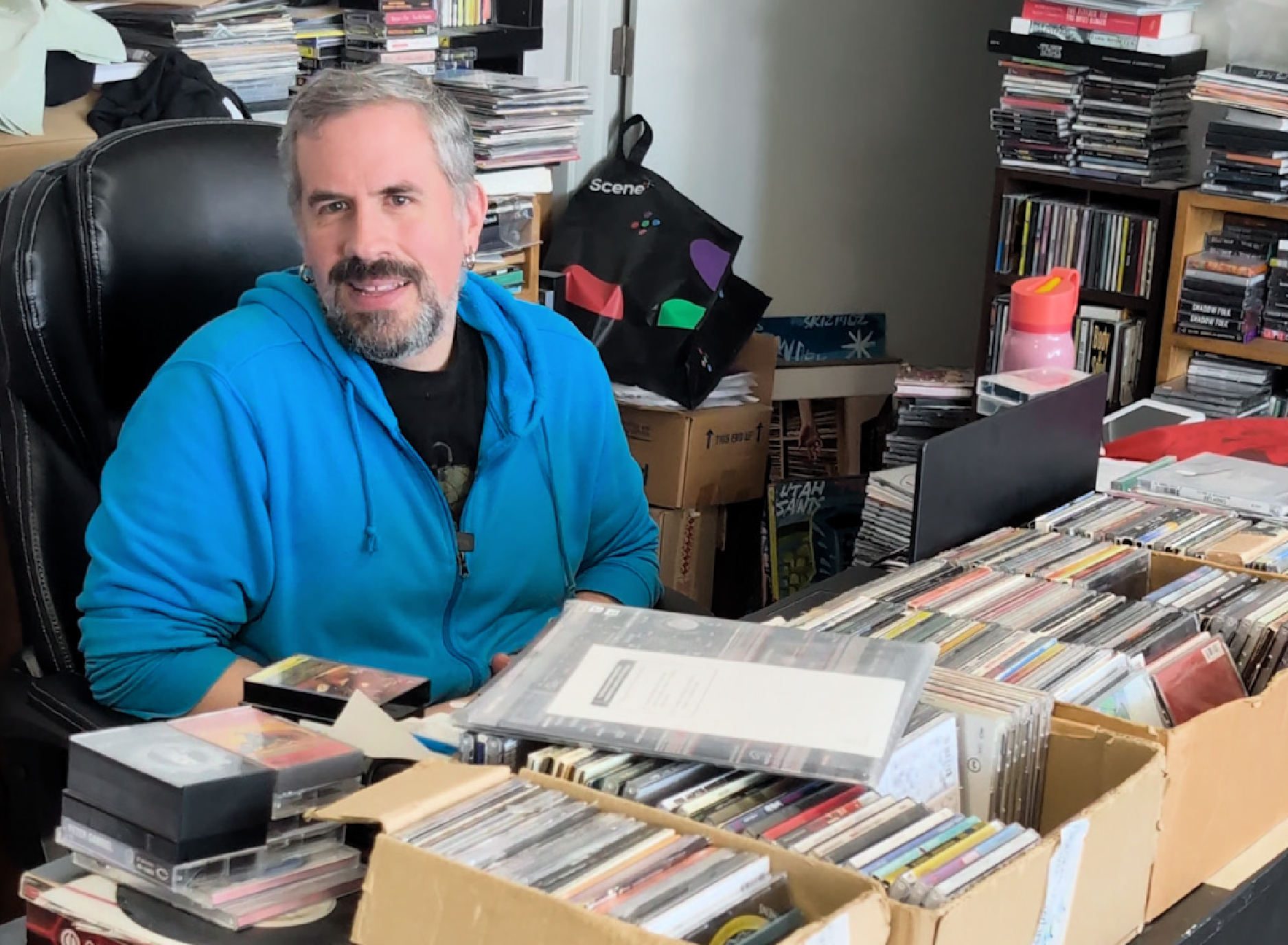
What makes Agricola Street the right home for Obsolete Records?
It has always been on this street, but I had to move five years ago because they tore my building down to put up condos. We are turning into a bit of a Toronto facsimile in a lot of ways.
I like that it is hidden from the major parts of Halifax. It has always been the secondary downtown, attracting a vibrant mix of people, with cool businesses popping up around here. I get a lot of students in the area. It is just a cool little part of the city.
How would you describe your philosophy for curating the shop?
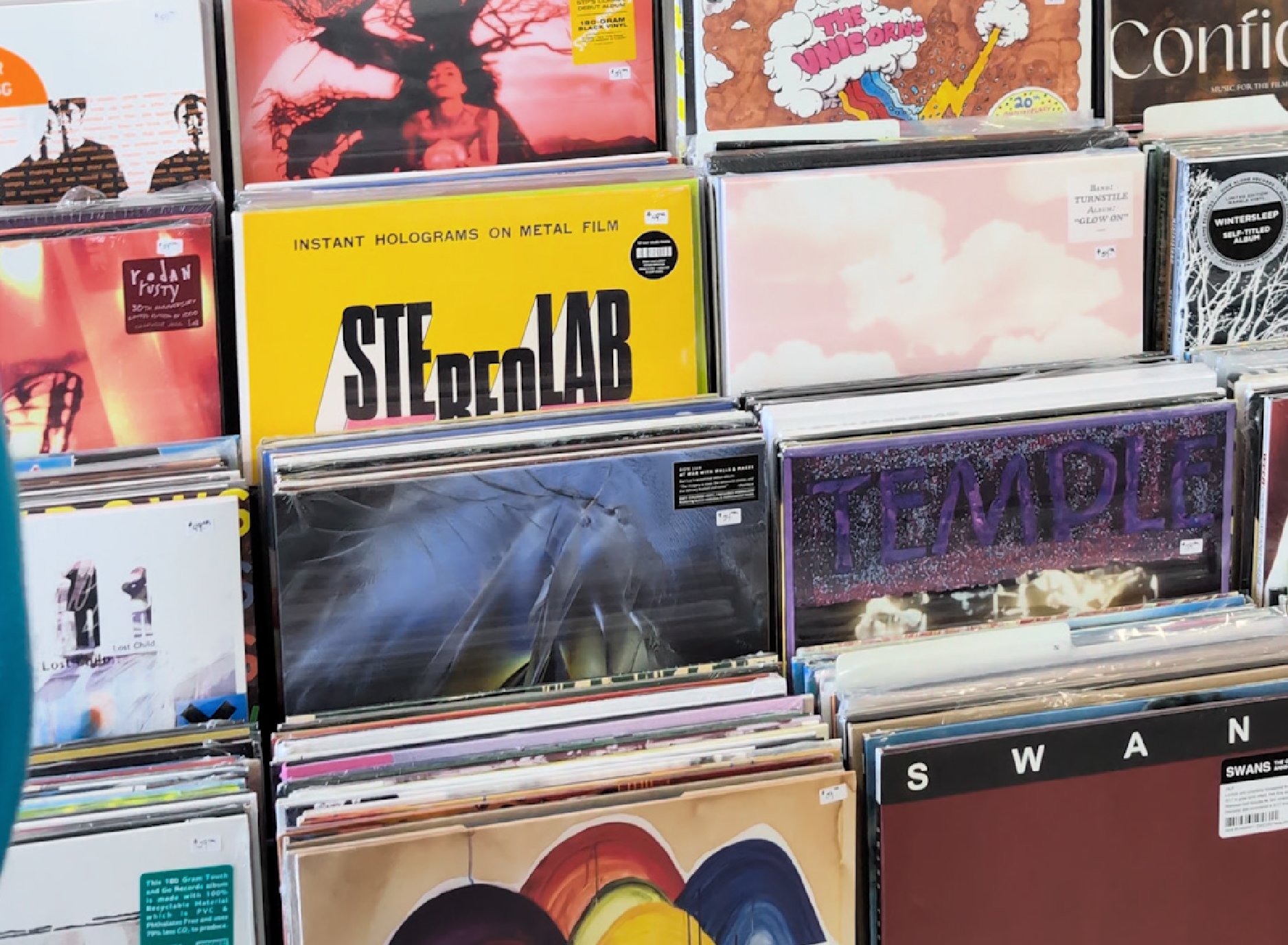
When I think about what will go on the shelves, curation is key. It is mostly personal preference. It is about 80 percent what I like and about 20 percent customer requests. I have been doing this for a long time, and I know what people are looking for and what will sell. The store is not for everyone. It is for many like-minded individuals.
What sparked the idea of transitioning from a record store owner to a label owner?
The label was a little less than five years old. It was something that came out post-COVID, where I reached out to one artist to repress their catalogue on vinyl. From there, I reached out to many of my friends in the business to help me through the learning curve.
It is usually the natural progression for many record shops. It was 10 years of owning my own shop at that point, and I wanted to do something that was a bit different and add to it. I never wanted to own my own label, but the fact that it was an easy transition from store to label made sense.
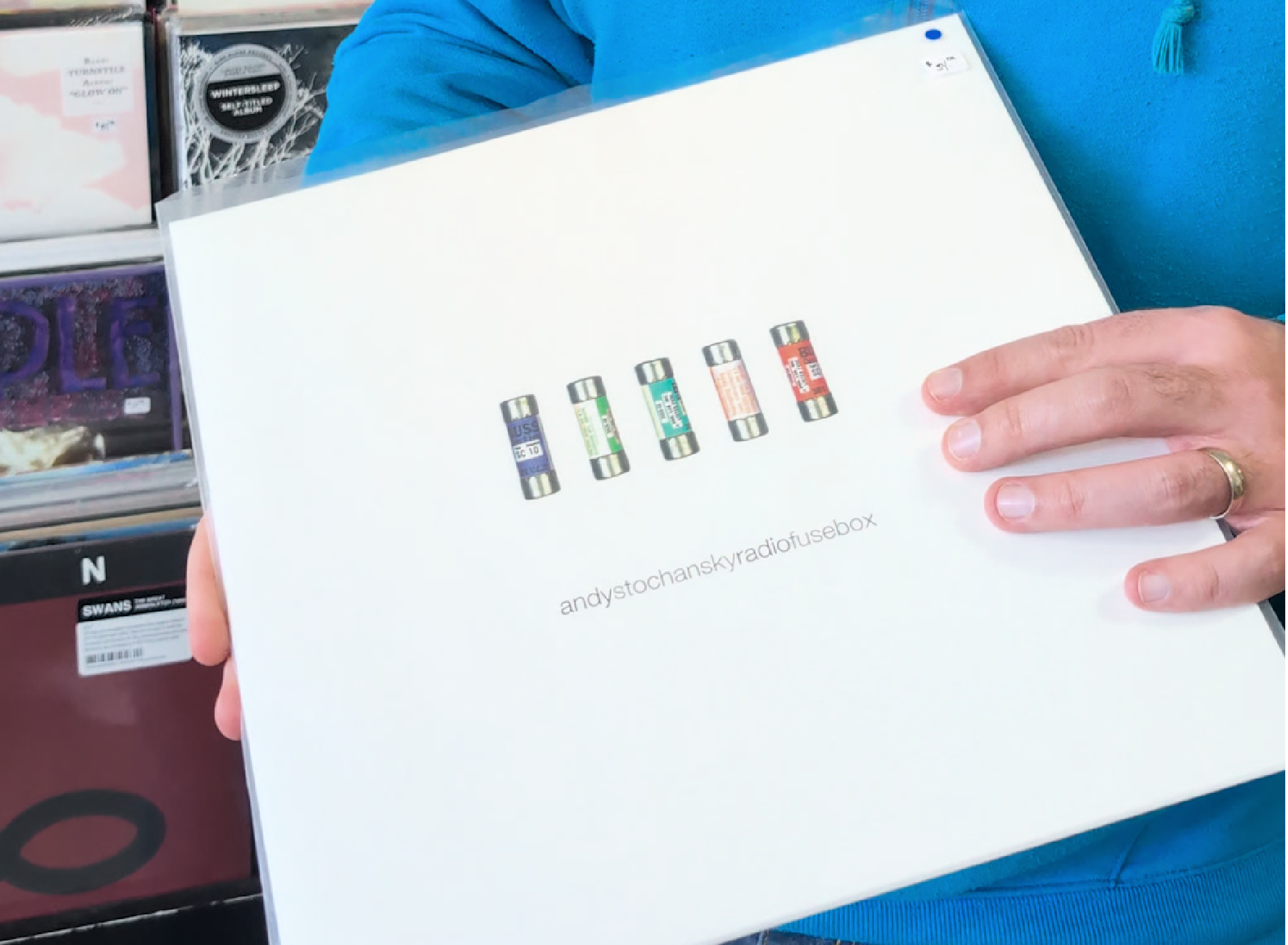
Your first release was Andy Stochansky’s Radio Fusebox, which only existed on CD. Why was that album so important to reintroduce on vinyl?
It's the first one that I put out on the Obsolete Records Label. Andy Stochansky's Radio Fuse Box came out in 1999 on CD only. I reached out to the artist and told him what a shame it was that this had never been released on vinyl. He said he would love to put it on vinyl, but it was too expensive, so I shouldered those costs. We formed a great partnership around it and released a really good record that only this store carries. Worldwide, the only way to get it is from my store or from my Bandcamp, so a lot of the orders go to America or Europe.
A lot of people are going back in the catalogue even if bands are no longer together. It's because they want to have a relic for themselves and give their music a second life. Now, a whole new generation gets to experience it, as it is a modern release. I get to introduce a lot of people to it who did not know it in the 90s.
What has been one of the most meaningful projects on the label for you?
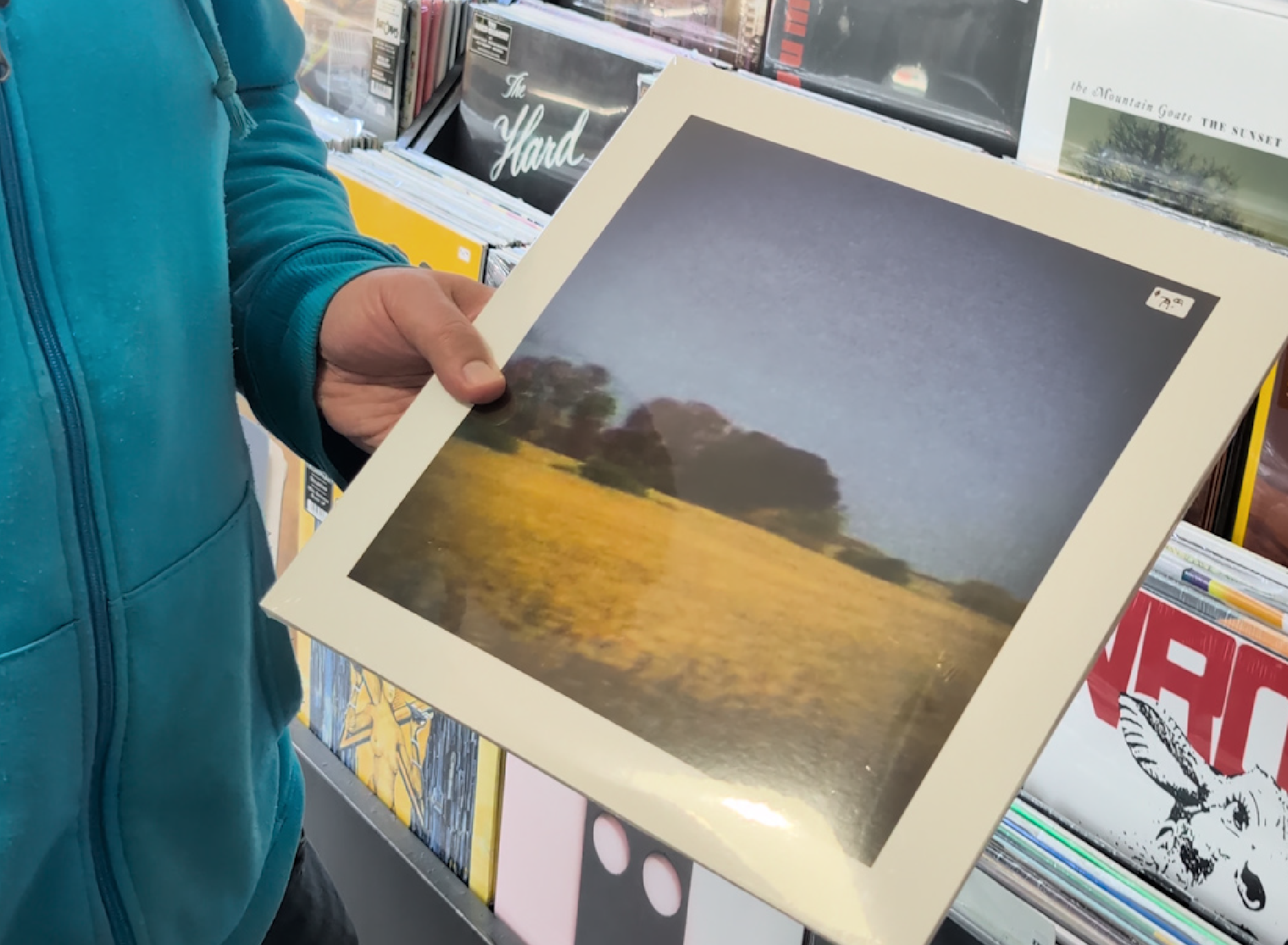
A personal favourite from the label is Sun Kil Moon’s Benji. When it came out, most of his fans were from that era, and I wanted to bring it to life on vinyl for them. I got the chance to repress it on my own label for its 10th anniversary. The artist let me add a complete record of live tracks that nobody had ever heard before. He gave me file after file of live material and told me to decide what made the cut. I got to curate my own live album based on his work. He was completely hands-off and trusted me to do it justice. Since I am a record guy, I made it a collector’s item and went all out on it. I did a double gatefold and a triple LP on blue-and-gold vinyl, with a full album and half live tracks.
What is a standout release from your sister label, Fresh Biscuit Records?
My friend Peter picks all the artists for Fresh Biscuit Records to curate a specific sound and to press records that differ from those at Obsolete Records. He pays for it, and I mail it out and distribute it, and luckily, I like the things that he picks.
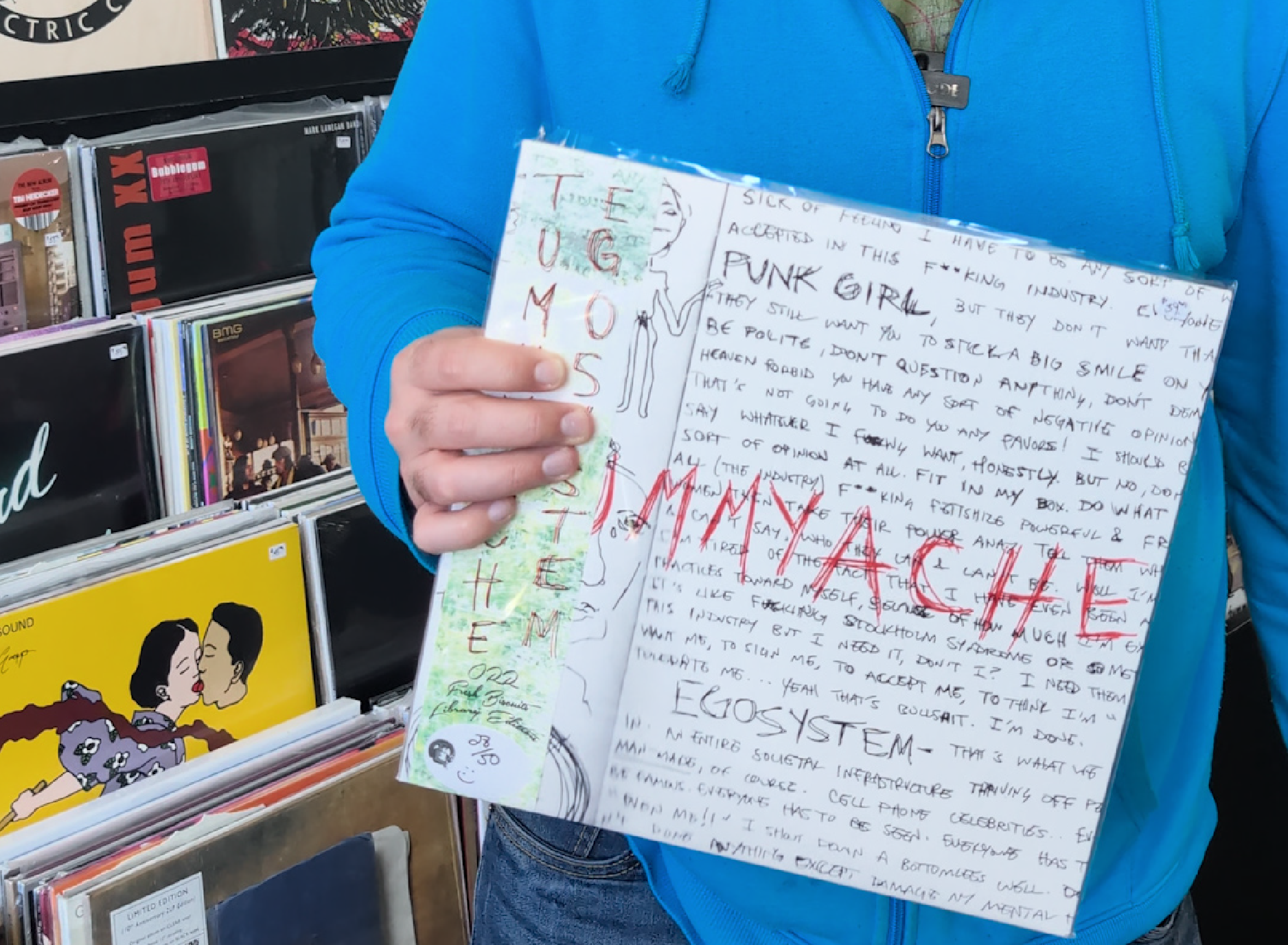
He discovered Tummyache from the UK, and I had never heard of her before. It sounded like this perfect blend of Radiohead, PJ Harvey, and the alt-rock things I grew up with, played by a new generation. It has been a match made in heaven, so we released three of her albums. They have an obie strip, hand-numbered colored vinyl pressed on Eco Mix. It's one of those projects that carries a lot of detail.
What do you think keeps vinyl relevant for both artists and collectors?
There is always someone who wants something obscure on vinyl. They want it repressed or they want it on vinyl for the first time. I think it's always been about discovery, which will never stop being important. Vinyl has lasted for decades, and it will continue to last.
Check out the Obsolete Records on Bandcamp to learn more.